
A Practical Guide to Renting a Property
A straightforward guide to comparing rentals, inspecting a home and understanding the true cost of moving.
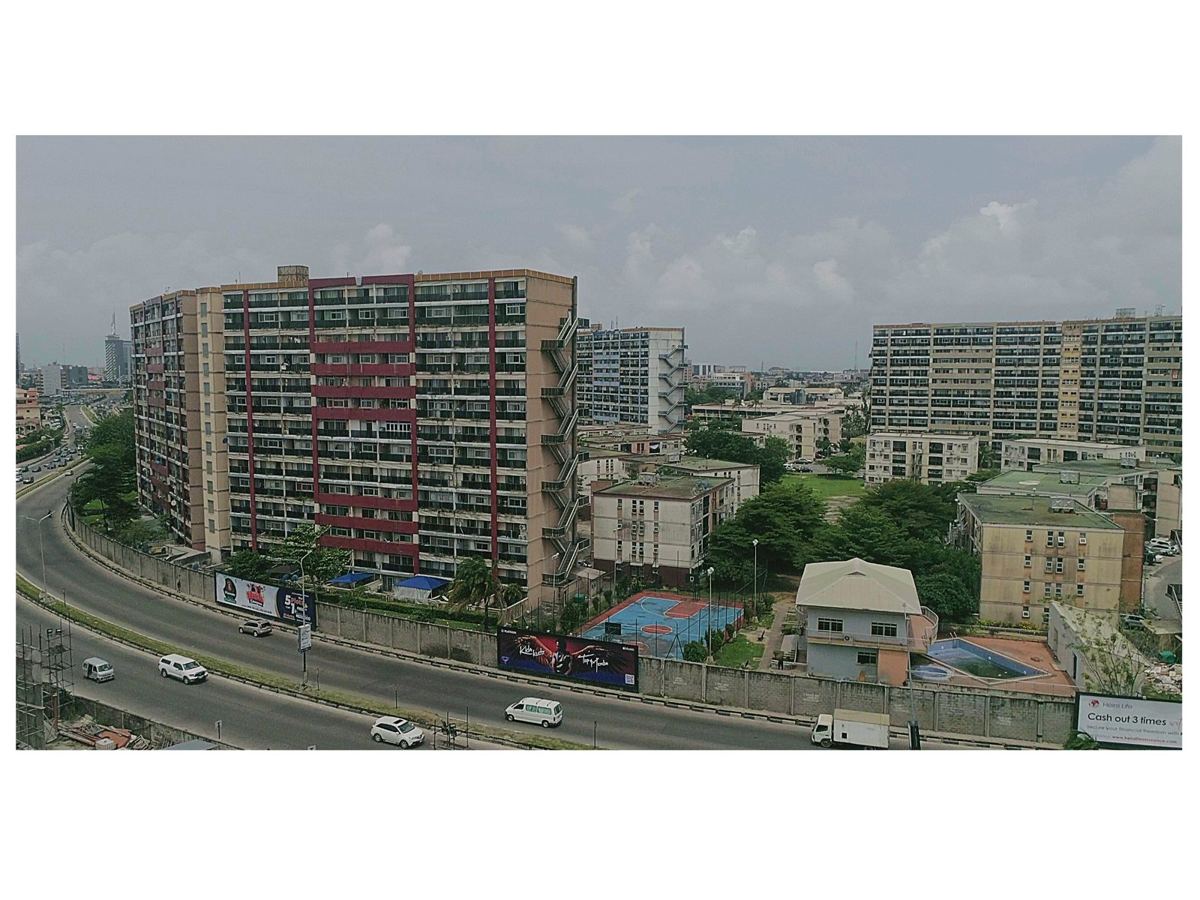
Photo: 1004 Estate Apartments · Ei'eke · CC BY-SA 4.0 · Resized by REBS; same licence · Editorial illustration, not a property listing
Describe what you need before searching
List your preferred locations, budget, bedroom requirements, commute, accessibility needs and the amenities you actually use. Think about whether the property suits your daily routine. A listing that looks attractive online may not satisfy your needs once transport, utility arrangements or neighbourhood conditions are considered.
Compare the complete cost
Ask for the rent interval and every additional charge that applies. Depending on the arrangement, there may be service charges, caution deposits, agency fees, legal costs or utility responsibilities. Request a written breakdown and clarify which payments are refundable or recurring. Avoid calculating affordability from the headline rent alone.
Inspect carefully and document questions
Check practical details such as water availability, electrical fittings, ventilation, security, access, drainage and general condition. Examine photographs and plans, but arrange an appropriate inspection where possible. Ask how repairs will be reported and who is responsible for recurring maintenance. Confirm that the person offering the property has authority to do so.
Review tenancy terms
Read the proposed agreement and understand payment timing, renewal provisions, access arrangements, permitted changes, notices and any applicable restrictions. Consult a qualified adviser where issues are unclear. Avoid relying solely on oral promises for material terms. Keep copies of important documents and receipts.
Complete the process with clarity
Make payments only through authorized and verifiable channels after appropriate checks. Record the property's move-in condition and relevant meter readings. Keep contact details for support and emergencies. Organized questions and documented expectations help tenants and landlords manage the relationship more effectively.
This article provides general real estate information and is not a substitute for independent legal, surveying, engineering or investment advice.


